
Senolytic Convergence: Targeting Cellular Senescence with Next-Generation Peptide Protocols
As of February 2026, the FDA’s reclassification of specific peptides as Category 1 compounds has fundamentally altered the landscape of regenerative medicine. At 1yfe Health, this regulatory evolution allows our physicians to leverage high-quality, pharmacy-compounded peptides—adhering to strict USP 795/797 standards—to address the biological hallmarks of aging. Among these, the clinical focus on senolytics represents one of the most promising frontiers in longevity science.
The Biology of Cellular Senescence
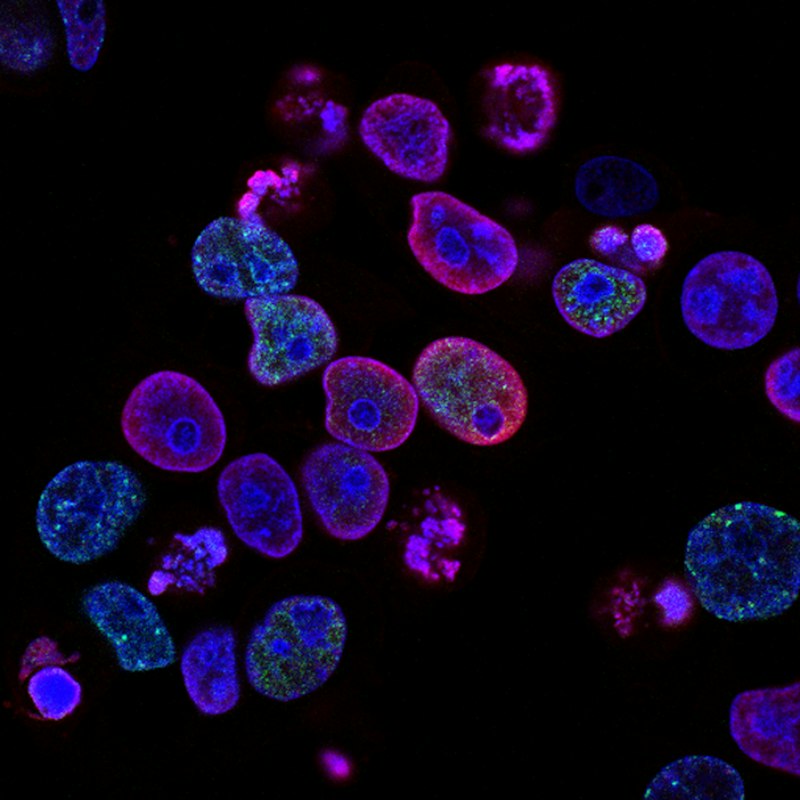
To understand the clinical utility of modern peptide protocols, we must first address the phenomenon of cellular senescence. As we age, our cells accumulate damage from metabolic stressors, oxidative flux, and telomere attrition. Rather than undergoing apoptosis (programmed cell death), these damaged cells often enter a state of permanent cell-cycle arrest known as senescence.
Senescent cells are not metabolically inert; they adopt a Senescence-Associated Secretory Phenotype (SASP). This phenotype involves the secretion of pro-inflammatory cytokines, chemokines, and matrix-degrading proteases. When these cells accumulate in tissue, they create a "bystander effect," where healthy neighboring cells are forced into senescence, leading to chronic low-grade inflammation—often termed "inflammaging"—and the gradual decline of tissue regenerative capacity.
Mechanisms: Peptide-Mediated Senolytic Signaling
Unlike traditional pharmacological approaches that may have broad-spectrum toxicity, next-generation peptide therapy aims to modulate specific signaling pathways to either assist in the clearance of senescent cells or rejuvenate mitochondrial efficiency to prevent the senescence cascade.
Targeting the NAD+ Pathway and Mitochondrial Homeostasis
Peptide research has increasingly focused on the preservation of mitochondrial-nuclear crosstalk. By utilizing peptides that act as mitochondrial-derived factors, we can influence the NAD+/Sirtuin axis. Sirtuins (specifically SIRT1 and SIRT3) are NAD+-dependent deacetylases that regulate cellular health and DNA repair. By modulating these pathways, we aim to reinforce mitochondrial membrane potential and reduce the ROS (reactive oxygen species) production that often triggers p53-mediated senescence.
Growth Hormone Secretagogues and Regenerative Capacity
Growth hormone secretagogues (GHS) remain a cornerstone in regenerative protocols. Beyond their well-documented impact on the growth hormone/IGF-1 axis, these compounds exhibit systemic effects on metabolic health. By improving body composition and enhancing lipolysis, GHS protocols may reduce the metabolic burden on adipose tissue, which is a primary reservoir for senescent cell accumulation.
Clinical Applications at 1yfe Health
At 1yfe Health, peptide therapy is never a "one-size-fits-all" supplement protocol. Every patient undergoes a rigorous physician evaluation to determine the biological appropriateness of a compounded peptide regimen.
Clinical applications of these protocols currently focus on:
- Metabolic Optimization: Improving glycemic control and insulin sensitivity, which reduces the inflammatory signaling pathways that drive senescence.
- Tissue Resilience: Supporting recovery and structural integrity in connective and muscular tissues.
- Systemic Vitality: Addressing the decline in baseline regenerative capacity associated with the aging endocrine system.
Safety, Compliance, and Professional Oversight
With the February 2026 FDA reclassification, the compounding landscape has moved toward greater safety and standardization. It is critical to distinguish physician-prescribed, pharmacy-compounded peptides from unregulated substances.
At 1yfe Health, our commitment to safety includes:
- USP 795/797 Compliance: Ensuring all compounds are formulated in state-of-the-art sterile environments.
- Physician-Led Evaluation: Peptides carry biological potency and require a clinical assessment of contraindications, including history of hormone-sensitive conditions, active malignancies, or specific autoimmune pathologies.
- Laboratory Monitoring: We utilize baseline and longitudinal biomarkers to ensure the therapeutic efficacy of the protocol and to monitor for any adverse physiological shifts.
Note: These compounds are prescription medications. They are not intended for use as dietary supplements and require a thorough clinical review of your health history.
Conclusion: The Future of Precision Longevity
The convergence of senolytic research and refined peptide compounding is shifting medicine from a reactive model to a proactive, precision-based paradigm. By targeting the fundamental mechanisms of cellular aging, we are entering an era where we can influence the trajectory of healthspan rather than merely managing age-related decline.
If you are interested in how personalized peptide protocols might fit into your longevity strategy, schedule a consultation with a 1yfe Health physician to discuss your specific clinical needs.
Disclaimer: The content provided here is for educational purposes and reflects scientific research as of April 2026. It is not medical advice. All 1yfe Health peptide therapies are compounded medications that require a valid prescription and physician oversight.